
Newly Discovered Tree Species in Rwanda Spark Urgent Conservation Call
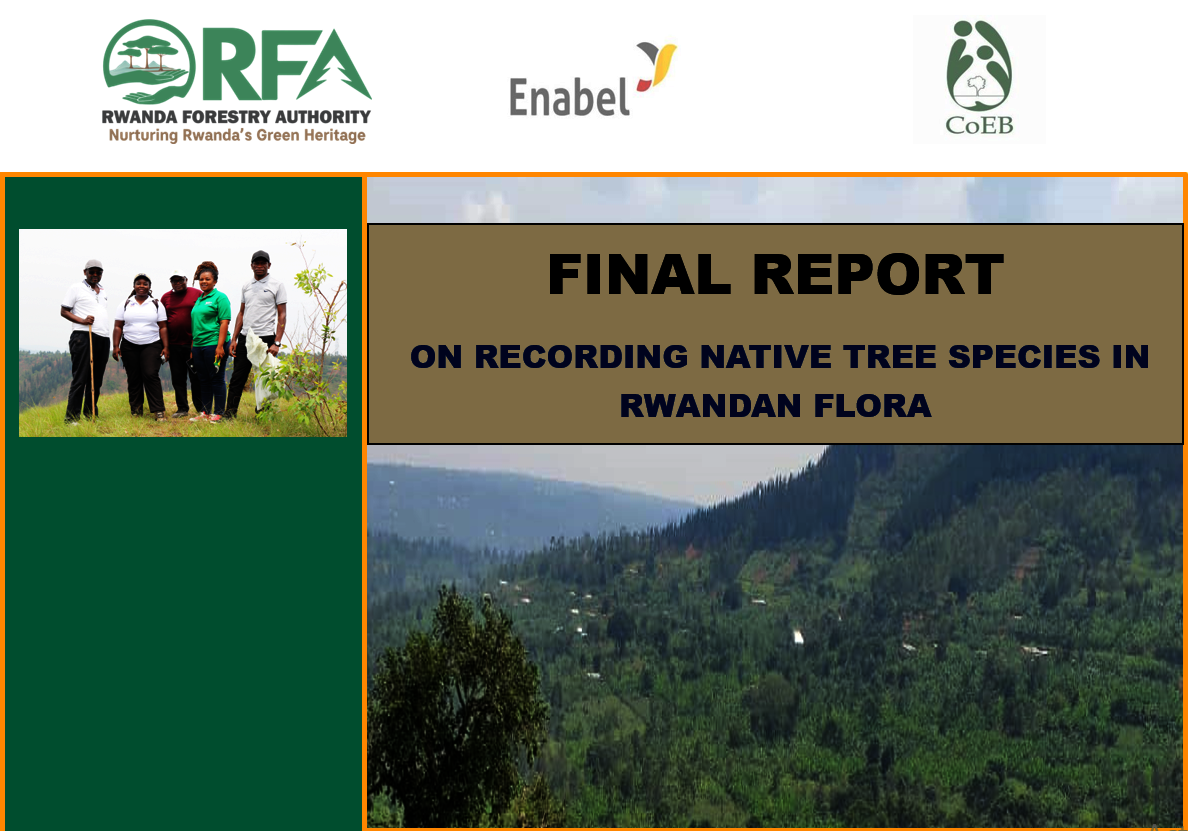
In a groundbreaking discovery, the Rwanda Forestry Authority (RFA), in collaboration with Enabel and CoEB under the COMBIO project, has identified 17 new native tree species previously undocumented in Rwanda’s flora. This significant finding, which comes after an extensive inventory in the Eastern Province, underscores the urgent need for targeted conservation efforts to protect Rwanda's rich yet vulnerable biodiversity.
According to the report, these species, including Senegalia senegal var. rostrata, Vachellia seyal, Pericopsis angolensis, and Trichilia emetica, were found in various districts, such as Kirehe, Nyagatare, and Kayonza, with many of them appearing in only a few locations. Experts warn that the limited distribution and small population sizes of these trees, combined with their lack of natural regeneration, make them highly susceptible to extinction.
Rwanda Forestry Authority’s Director General, Dr. Concorde Nsengumuremyi, emphasized the importance of this discovery. “The identification of these new species not only enriches our understanding of Rwanda’s biodiversity but also highlights the immediate need for conservation measures,” Concorde said. “These species are not just a part of Rwanda's natural heritage; they play critical ecological, social, and economic roles in local communities.”
The inventory, which focused on mapping rare and valuable indigenous trees, was conducted by local experts and field researchers. The new findings were the result of detailed data collection and herbarium sample gathering. In total, 17 species were confirmed, some of which have never been documented in the Rwandan Flora database. These species, like Kigelia africana and Diospyros abyssinica, are key to the livelihoods of local people, offering both timber, non-timber products, and services.
Professor Elias Bizuru, biodiversity Expert at Enabel, emphasized the vital role of these species in sustaining the environment. “Indigenous trees are fundamental to the health of our ecosystems,” he said. “They improve soil fertility, prevent erosion, sequester carbon, and high adaptability to various environment harsh conditions which is essential in mitigating climate change. Protecting these species will benefit not just local communities but the country’s broader environmental goals.”
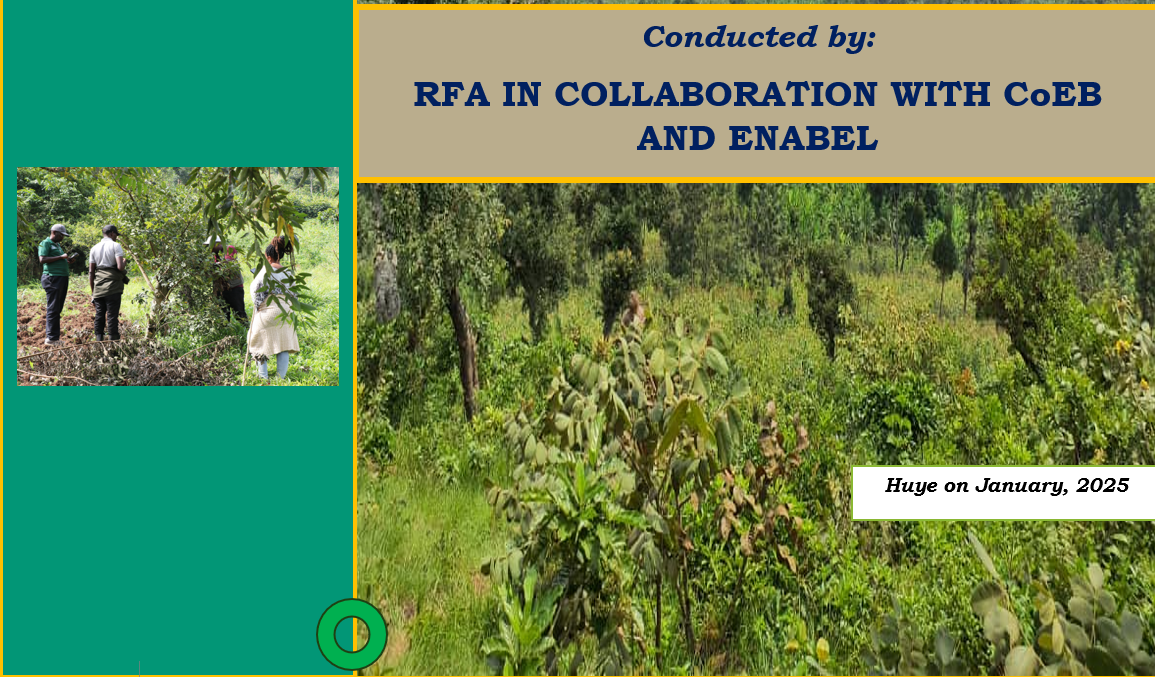
Despite the promising discovery, the threat to these species is significant. The lack of natural regeneration due to the fact that most of them are found in farmlands leading to their habitat destruction and overharvesting which poses a serious challenge to their survival.
Sandrine Uwase, a Botanist from CoEB (Center of Excellence in Biodiversity) calls for immediate conservation actions, including community-based protection programs and restoration of critical habitats.
“We have a unique opportunity to protect these species before they are lost,” she said. “It is critical to involve farm owners and local communities in these efforts. They are the ones who rely on these species and can help ensure their continued survival through active participation in conservation programs.”
The report also stresses the need for more surveys across the country to uncover other unrecorded species and deepen knowledge about Rwanda’s biodiversity. The findings highlight the growing concern of biodiversity loss in Rwanda, where many native species remain at risk due to environmental pressures.
RFA’s Dr. Nsengumuremyi concludes, “This discovery represents an exciting but urgent call to action. With the support of our partners and the dedication of local communities, we can ensure the preservation of Rwanda’s incredible natural heritage for generations to come.”
The report calls for the immediate implementation of measures such as species propagation through both sexual and asexual methods, habitat restoration, and ongoing research. These efforts will be vital to maintaining Rwanda’s ecological balance and the livelihoods that depend on its rich biodiversity.
As Rwanda moves forward, the COMBIO project continues to be a beacon of hope for the conservation of its unique flora and fauna, setting the stage for a sustainable future where both nature and people thrive together.
Press here to See all 17 Newly Discovered Native Tree Species